
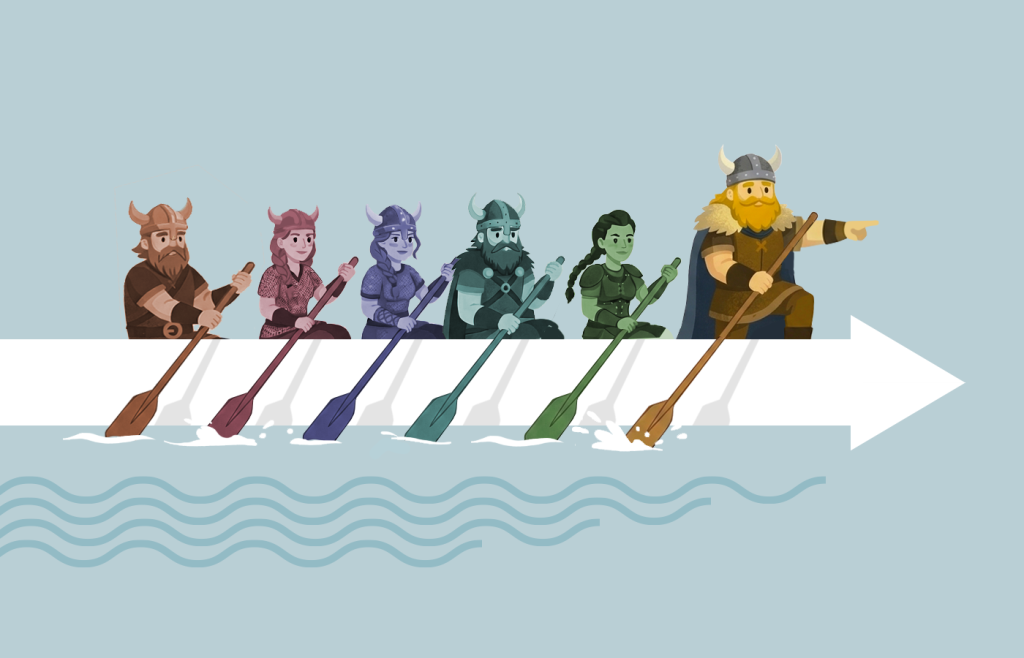
Key account management is a team sport, full stop. Everyone in this space says it but historically they buy software that charges by the seat and then have to decide who gets to play.
That’s the exact problem we set out to fix with how Valkre is priced, especially in 2026 SaaS land. This blog is not a price sheet. It’s the thinking behind why we license Valkre the way we do and why most of our global KAM teams run on an unlimited user model.
Per-seat pricing shrinks the account planning team
Let’s think about who actually moves partnership forward with a strategic account. The KAM does for sure, but also field sales, marketing, customer success, supply chain, finance, product, and the executive sponsors who shows up when it matters. That’s the matrix team.
Now if you put a per-seat price on every one of those people when it comes to buying the tool that drives Account Planning, the math does not add up. The KAM gets a seat, probably their manager, and then everyone else gets a slide export, a monthly review meeting, and a teams chat update.
That’s a main contributor to why SAM programs restart every 2-3 years. Not because the strategy was bad, but because the people executing it never saw it. Per-seat pricing does not just cost more money, it decides who’s should be in the room, and it almost always decides wrong.
How Valkre is priced… two models
We offer 2 licensing models.
Per user. Reserved for smaller teams that need a focused group of KAMs and managers in the platform so they can license by seat. There is no way around it, a small team does not have the same need for unlimited licenses a large global team does.
Enterprise. Most KAM teams license Valkre at the enterprise level. The license is scoped to a defined set of key accounts and price is sized to the revenue those accounts represent, not the number of people working on them. Within that account set the number of Valkre users are unlimited.
The scope follows how you run your business: a portfolio of global accounts, a region, or simply a business unit. In pharma/life sciences, most companies start with a single therapeutic unit or a single drug and expand from there. In other industries you may start with a small pilot team (yes we support that) and lead into Enterprise license. That’s a common way to get started with Valkre.
Why we push teams toward enterprise
Here is the honest version, we steer KAM teams toward the enterprise model because that is how KAM programs stick.
We need to change the framing from “who can we afford to include?” to “who needs to be in this plan?” You can then carve out a role for every cog in the wheel and manage their access and visibility by role. The KAM lead sees what they need. The executive sponsor sees what they need. Marketing gets a seat at the table. Field sales contribute down the chain. Nobody sees what they shouldn’t.
Here’s what that gets you:
- Way less meetings. The plan is a living breathing document.
- Less confusion. We don’t need to dust off a powerpoint deck every time someone needs to understand something.
- Fewer communication breakdowns between the KAM and the people delivering the strategy/service/products.
- A seat for people who rarely get tool access. Not everyone in your organization has a CRM license, and with Valkre that doesn’t matter. Valkre integrates with your CRM data (or doesn’t) but it runs standalone. So, a Valkre user doesn’t need CRM access to contribute to the account plan.
KAM with your customer and for your enterprise
Great key account management doesn’t happen to your customer, it happens with your customer. If you want to go all in here, you can grant your customer limited access to Valkre and build the plan together with shared objectives, shared actions, and shared accountability. That is where the strongest strategic partnerships come from.
The strategy shouldn’t stop at the account plan in Valkre either. Through the Valkre MCP server, the same account strategies and learnings your teams develop connect with the AI tools the rest of your enterprise already uses (Claude, Copilot, ChatGPT, etc). What one account team learns, the whole organization can put to work inside their AI chats (if they are granted access).
The bottom line
KAM should be run with your customer and touched by the entire enterprise. Every person you add to the account plan makes it better. Your Valkre software pricing should reward that, not punish it.
FAQ: Valkre pricing and licensing
Valkre offers two licensing models.. per-user pricing for smaller teams, and an enterprise license for larger KAM programs. The enterprise license is scoped to a defined set of accounts and includes unlimited users within that scope.
Per-user pricing is available for smaller teams. Most global KAM teams choose the enterprise license which removes per-user limits so the full team can take part in account planning.
Unlimited users on the accounts in scope, with role based permissions so each function has visibility and ownership over what’s relevant to its role. Scope can be defined by account portfolio, region, business unit, or therapeutic unit.
Because we fundamentally believe KAM is a team sport. Per-seat pricing pushes companies to limit access to a few KAMs, which leaves the people executing the strategy out of the plan. Unlimited users keep the whole team aligned and help KAM programs stick.
No. Valkre integrates with CRM data but can run standalone, so team members without CRM access or team members who don’t like working in CRM can still work in Valkre.
Yes. Companies can grant their own customers access to build joint account plans together and limit what the customer is able to see in the plan.
Most start with a single therapeutic area, a single drug team, or with a new drug launch team, then expand to additional teams over time. This holds true for teams outside of Pharma/Life sciences as Valkre operates across most industries globally.
Yes. The Valkre MCP server connects account strategies and learnings to enterprise AI tools, so insights reach the rest of the organization within AI chats when access is granted. Also your data remains your data on Valkre so you can always have integrations sending your data into your own BI tools/Data lakes.